Central University of Technology
Free State
- ECP in Hospitality · APS 23
- Hospitality Management · APS 27

Chefs cook and run kitchens in restaurants, hotels, and more. You train at a culinary school or in a kitchen, no degree needed.
6 universities offer relevant programmes. Open one to see its full course requirements or calculate your university-specific APS.
Free State
KwaZulu-Natal
Gauteng
Mpumalanga
KwaZulu-Natal
Eastern Cape
You train to be a chef at a culinary school or in a real kitchen, not at a university. Public TVET colleges teach professional cookery and hospitality (and NSFAS can pay). Private culinary schools offer chef diplomas, often with an international City & Guilds qualification. Here is where to start.
Many TVET colleges teach professional cookery and hospitality. NSFAS can pay. Find one near you.
Private culinary schools offer City & Guilds chef diplomas, but they cost more. Compare fees, kitchens, and work placements before you sign up.
Private colleges also offer the professional cookery course. They charge fees, so always check the college is properly registered and its course is accredited before you pay.
Do you run a private college that offers the professional cookery course? List it on NavyBlue.
Not sure yet? These jobs use some of the same school subjects and ways to study.
 Trades & artisans
Plumbers install and fix water, drainage, and gas systems. You train through an apprenticeship and a trade test, no degree needed.
From R 12 000/mo · In demand
How to become a plumber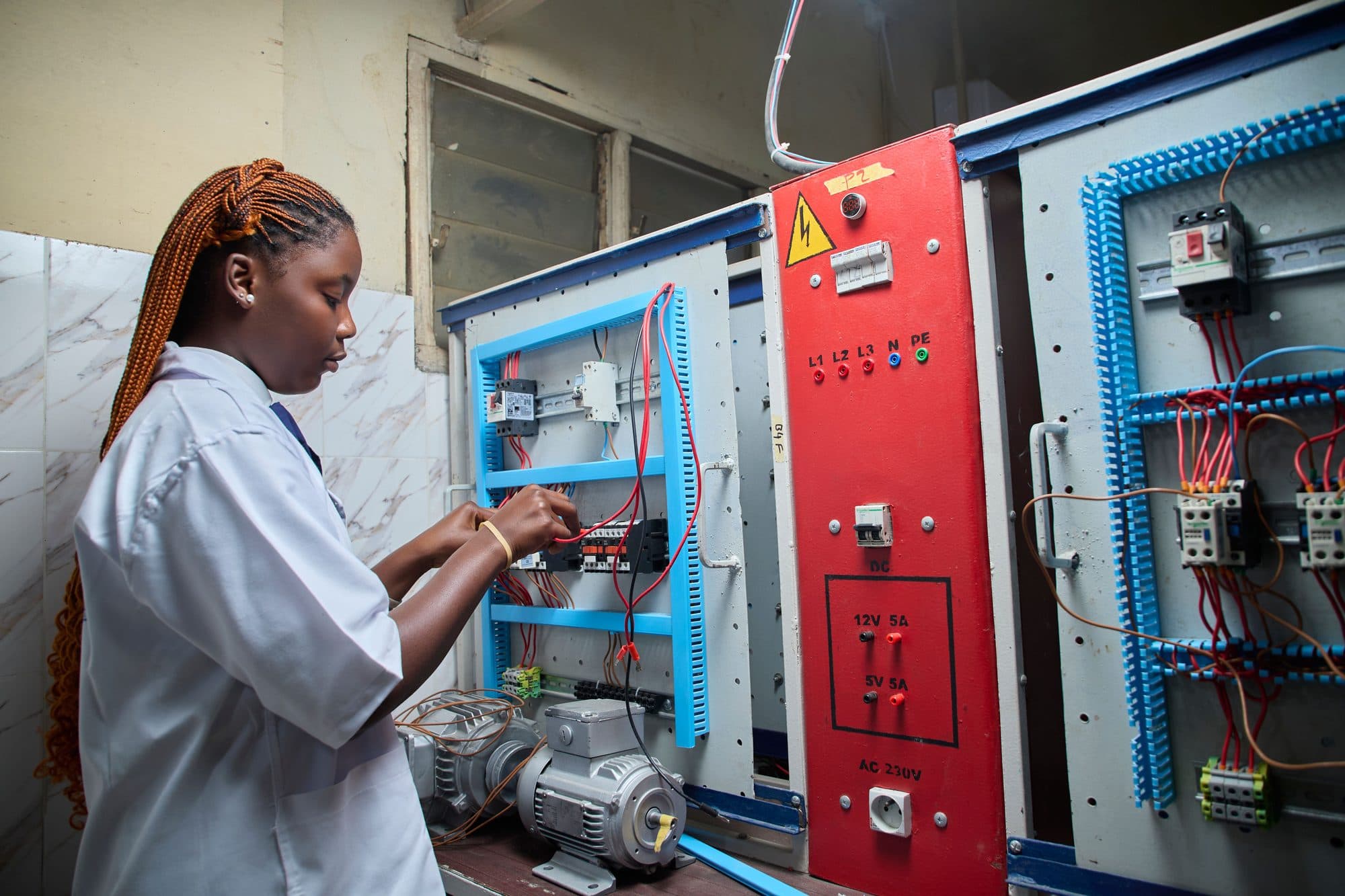 Trades & artisans
Electricians install and fix electrical wiring and systems. You train through an apprenticeship and a trade test, no degree needed.
From R 12 000/mo · In demand
How to become a electricianAdvertisement