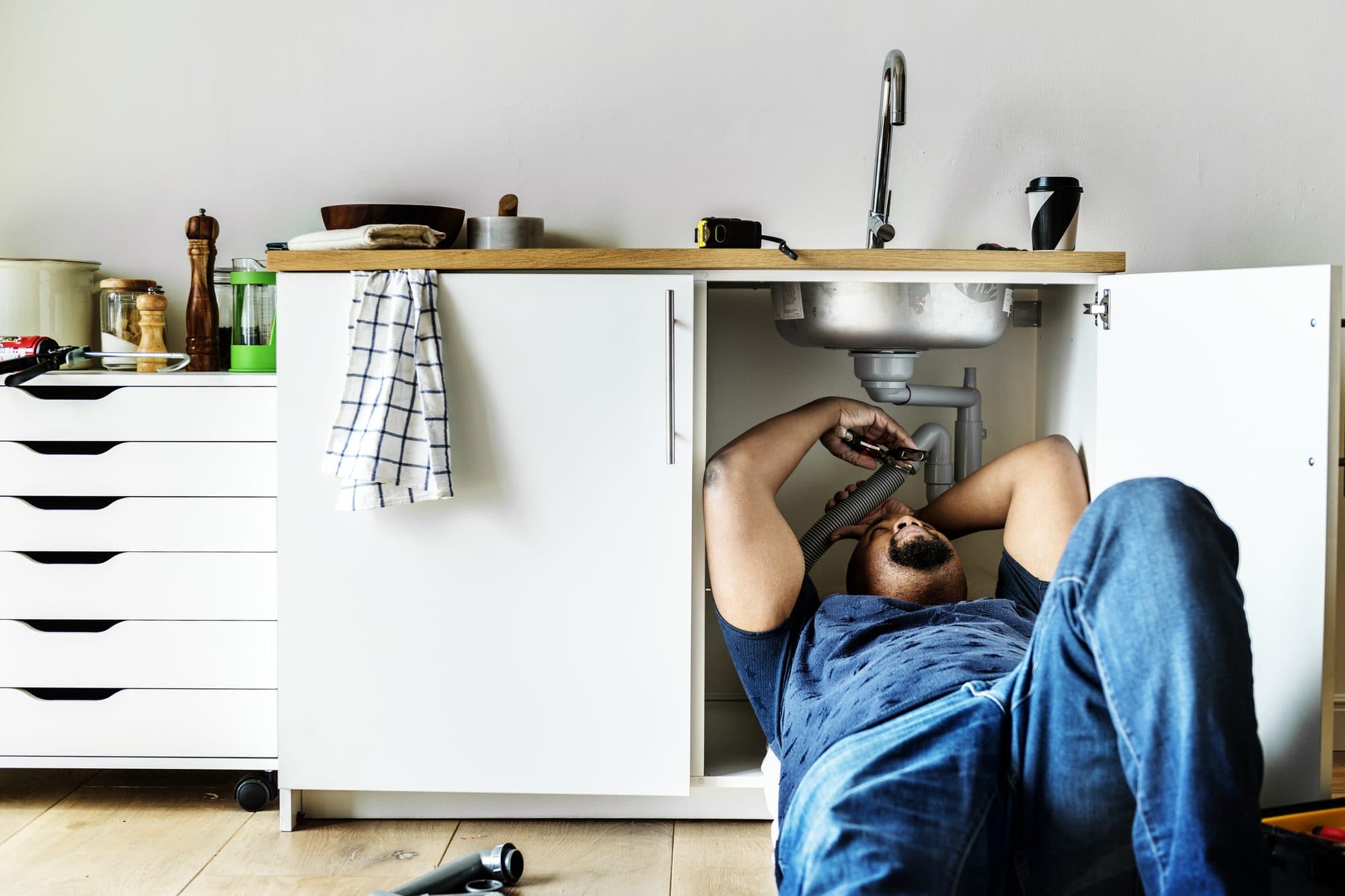
A plumber installs, fixes, and maintains water, drainage, geyser, and gas systems in homes and buildings. In South Africa you become a qualified plumber by learning on the job and passing a trade test, not by getting a degree. The best way is an apprenticeship, where a company pays you while you learn. You study theory (N-courses or NCV) at a TVET college, do workplace training, and pass the trade test. After that, you register with the PIRB so you can sign plumbing certificates.
What does a plumber do?
Plumbers work with water, drainage, and gas systems. In a day, you might install pipes and taps, fit geysers and toilets, fix leaks and blocked drains, install solar geysers, and test that everything is safe. You use tools and follow safety rules. You work in homes, on building sites, and in factories, and some jobs are emergencies.
Where you can work
- Plumbing companies
- Construction companies
- Municipalities
- Property maintenance
- Solar and gas companies
- Your own business (self-employed)
Kinds of this work
Is this job right for you?
This job is good for you if
- You like working with your hands and tools
- You are good at practical problem-solving
- You are fit and do not mind physical, sometimes dirty work
- You are careful and follow safety rules
- You are okay with Maths and reading plans
- You want to earn while you learn
The hard parts
- The work is physical, and sometimes dirty
- You may be called out for emergencies
- You start on a low apprentice stipend
- Some work is in tight or uncomfortable spaces
- You must keep learning new systems, like solar and gas
How you can grow
Your job can get bigger over time. This is a common path.
- 1
Apprentice or assistant
You earn while you learn the trade.
- 2
Qualified plumber (Red Seal)
You pass the trade test and work as a qualified artisan.
- 3
PIRB-licensed plumber
You register so you can sign Certificates of Compliance.
- 4
Specialist
You can specialise in gas, solar, or drainage.
- 5
Foreman or own business
You lead a team, or run your own plumbing business.
Steps to become a plumber
- 1
Pass matric with Maths, or at least Grade 9
Grade 9 gets you into N1. Grade 12 with Maths opens more apprenticeships.
- 2
Get an apprenticeship or start N-courses
The best route is an apprenticeship where a company pays you. Or start Plumbing N1 to N3 at a TVET college.
- 3
Do your theory and workplace training
You need the N-courses (or NCV) and real workplace hours.
- 4
Write the trade test
At an accredited centre. Passing makes you a qualified Red Seal plumber.
- 5
Register with the PIRB
Register as a licensed plumber so you can sign plumbing Certificates of Compliance.
- 6
Grow or start your own business
You can specialise, or run your own plumbing business.
Questions people ask
Written and checked by the NavyBlue Editorial Team. Last updated 2026-07-16. Pay numbers are a guide only. Where we got this: PIRB (Plumbing Industry Registration Board), QCTO (trades and occupations)
Related careers
Not sure yet? These jobs use some of the same school subjects and ways to study.
 Trades & artisans
Electrician
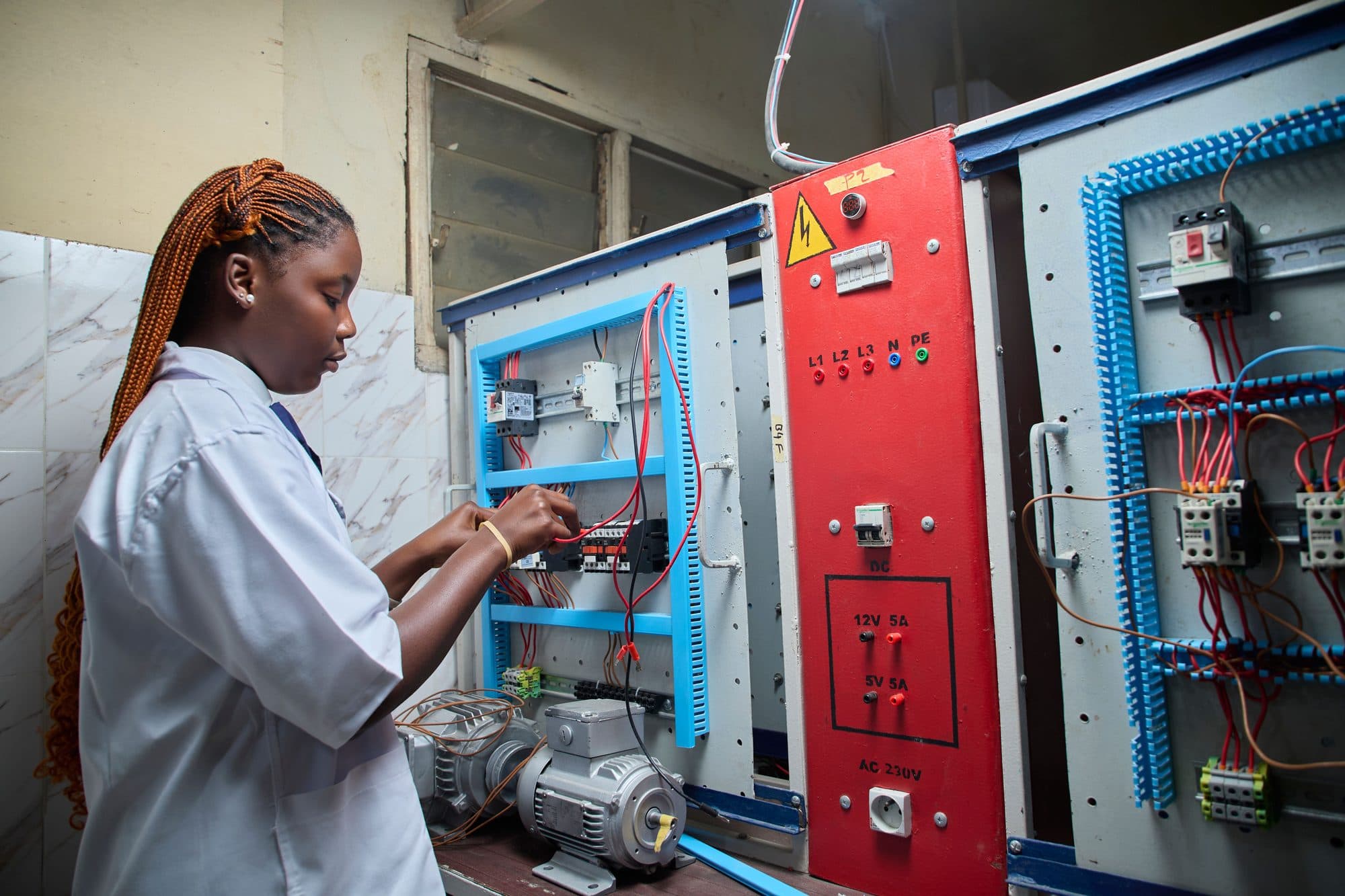
Electricians install and fix electrical wiring and systems. You train through an apprenticeship and a trade test, no degree needed.
From R 12 000/mo · In demand
How to become a electrician
Advertisement