University of Venda
Limpopo
- Bachelor of Arts in Criminal Justice · APS 340
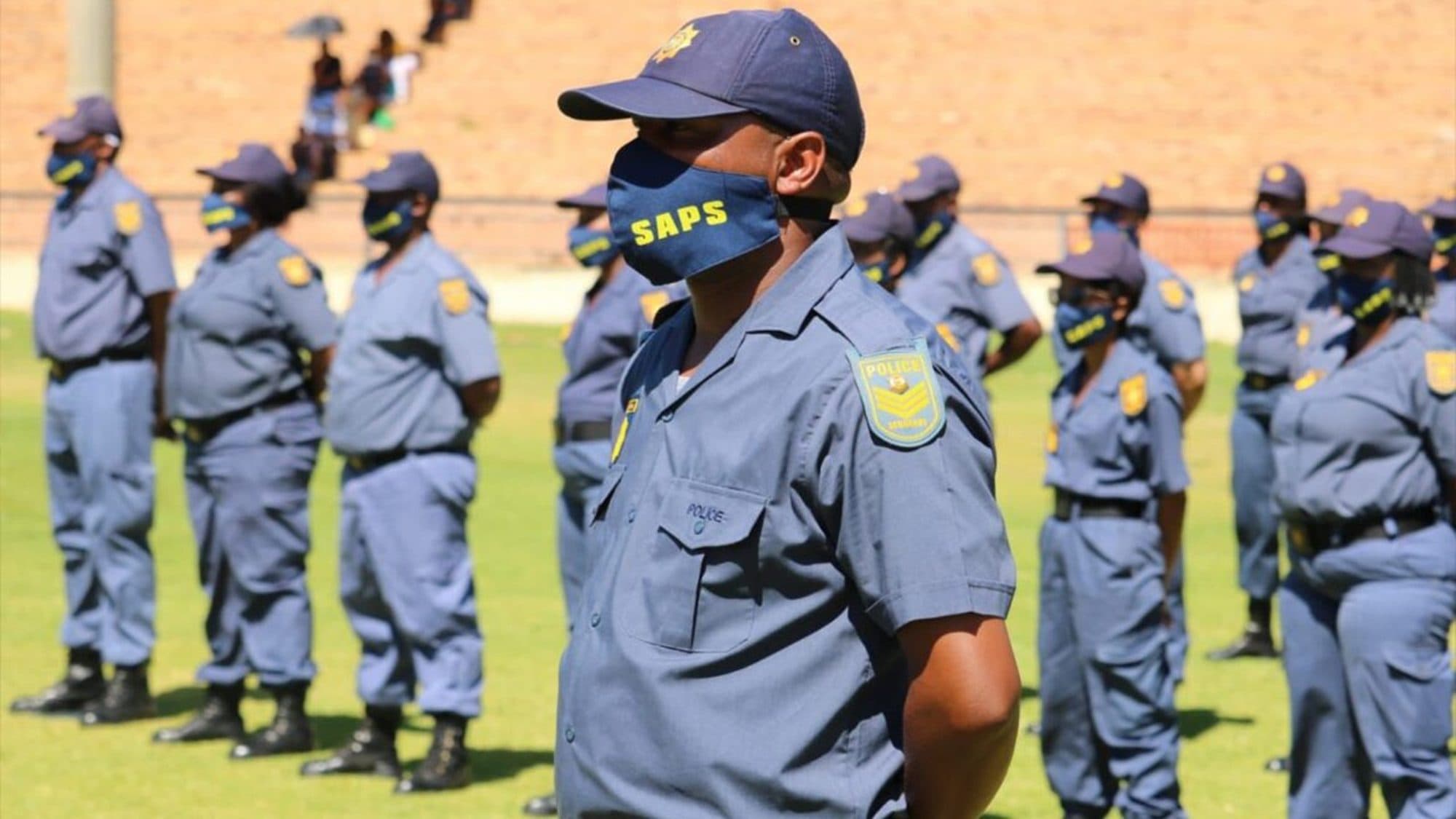
Police officers keep people safe and enforce the law. You join the South African Police Service (SAPS) with matric, no degree needed.
1 universities offer relevant programmes. Open one to see its full course requirements or calculate your university-specific APS.
Limpopo
You become a police officer by being recruited, not by studying first. Apply to SAPS or your city's metro police when recruitment opens, then they train you (and pay you). You can also study a policing course at a university or a TVET college, which teaches you about the field, but it does not replace being recruited. Here is where to apply and where to study.
Go to the Careers section for open intakes and the application form. Recruitment opens at certain times each year.
TVET colleges offer the NCV Safety in Society (Levels 2 to 4), with subjects like Policing Practices and Criminal Law, plus physical training. It prepares you for law enforcement, but you still apply to SAPS to become an officer.
UNISA offers a Diploma in Policing and a BA in Police Science. This helps you advance or specialise, but you still apply to SAPS.
Metro police (like JMPD, Cape Town, and Tshwane) and traffic departments recruit separately, through their city or provincial websites.
Private colleges also offer the policing or law enforcement course. They charge fees, so always check the college is properly registered and its course is accredited before you pay.
Do you run a private college that offers the policing or law enforcement course? List it on NavyBlue.
Not sure yet? These jobs use some of the same school subjects and ways to study.
 Law & justice
Lawyers help people and companies with the law. They give advice, write legal documents, and argue cases in court.
From R 25 000/mo · Steady demand
How to become a lawyer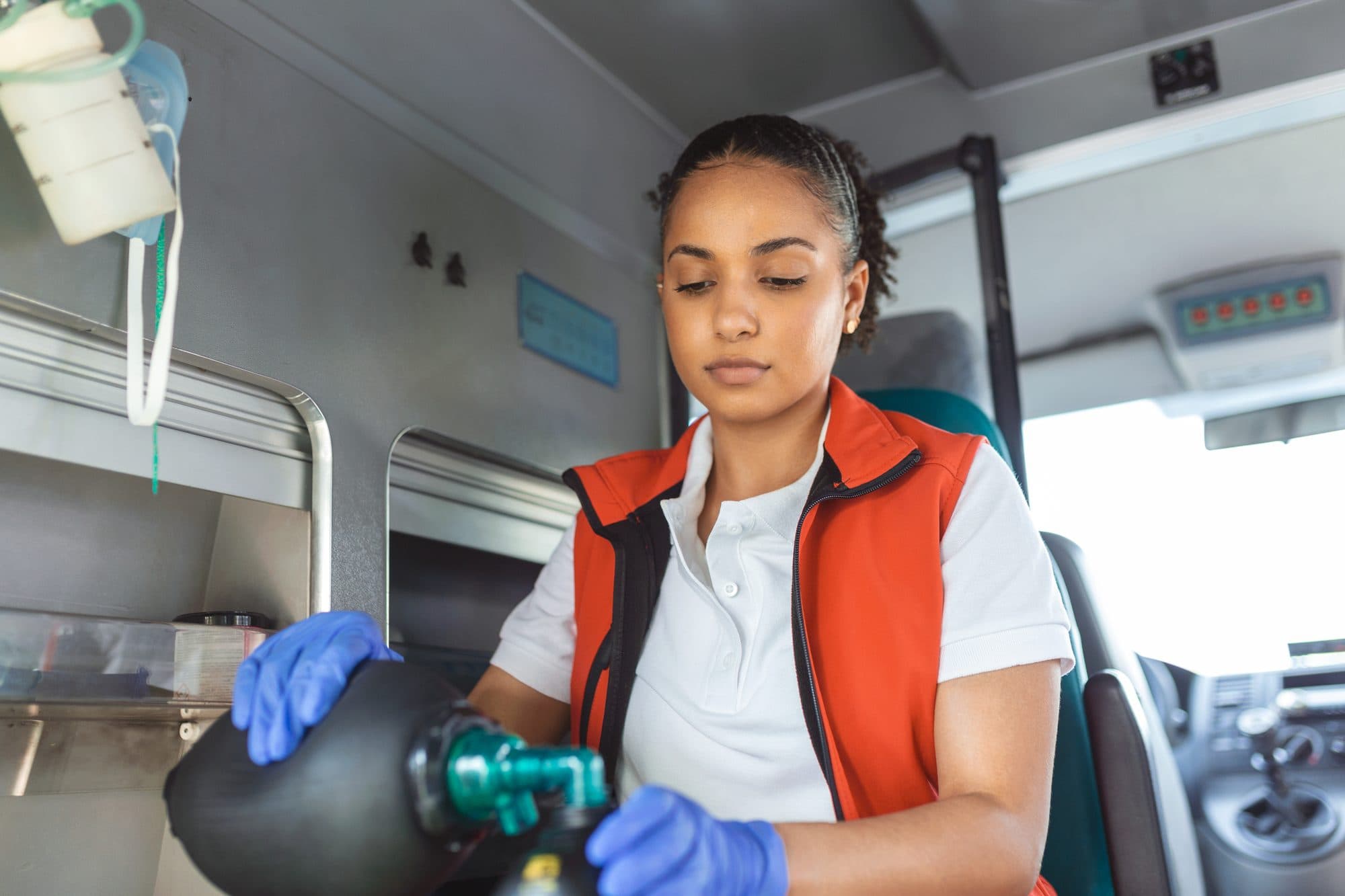 Health & social services
Paramedics give emergency care and save lives at accidents and emergencies. You study Emergency Medical Care and register with the HPCSA.
From R 18 000/mo · In demand
How to become a paramedicAdvertisement