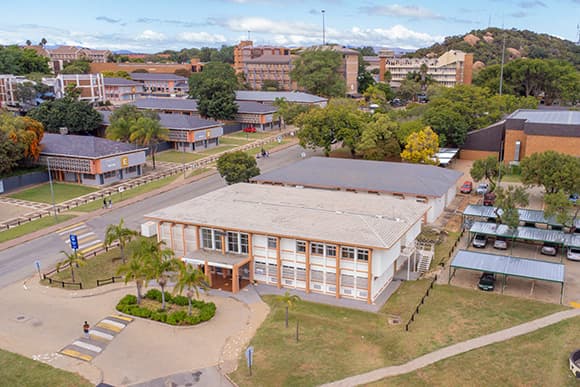

What You Need to Know About University of Limpopo
University of Limpopo sits in Polokwane and runs its main campus at Turfloop. It focuses on the developmental needs of Limpopo and surrounding rural communities, with strong programs in agriculture, health sciences, law and management. If you are looking for a university built around community impact rather than big city hype, this is a solid option.
UL is not the hardest university to get into, but it is not a free pass either. Some programs like BCom (Accountancy) want 30 APS, while others like the agriculture degrees sit around 24 to 25 APS. Meeting the minimum APS gets you in the door, but it does not guarantee a spot.
What APS Do You Need?
UL uses the standard APS system based on your best 6 subjects, with Life Orientation excluded from your core total. The maximum you can score is 42 APS.
Most programs want a general minimum of 24 APS, but it climbs depending on the faculty. BCom (Accountancy) needs 30 APS with English and Maths or Economics as required subjects, while the Extended Curriculum version drops to 28 APS if you need the extra support year. The BSc Agriculture degrees, like Soil Science, Plant Production and Animal Production, sit between 24 and 25 APS and want solid marks in Maths and science subjects. Check the official University of Limpopo page for exact details on subject-specific requirements for programs not listed here.
Fees and Funding
Figuring out funding is stressful, but UL does not leave you to figure it out alone. Tuition fee figures for 2027 were not confirmed at the time of writing, so check the official University of Limpopo Student Fees page for exact details.
NSFAS funds students at UL if you come from a poor or working class background, covering tuition, registration, accommodation, transport and books. NSFAS applications usually open in late November and close in January, so get in early and check your status on the NSFAS website. UL also offers its own need-based and merit-based bursaries alongside NSFAS.
Life on Campus
If you want to stay in res, you apply through the Turf Portal on the UL website using your student number and PIN. Residence applications for 2027 follow the same window as academic applications, closing 30 September 2026. Keep an eye on the Student Affairs office for updates on room allocation since spots are limited.
Not sure if your marks are enough? Use our free APS calculator to check where you stand before you apply.