
A nurse looks after people who are sick or hurt. To be a nurse in South Africa, you study at a university or a nursing college, and you register with the South African Nursing Council (SANC). There is more than one way in. The Bachelor of Nursing degree takes four years. A Diploma in Nursing takes three years. A one-year Higher Certificate lets you start as an auxiliary nurse. You can start small and move up.
You must sign up with the South African Nursing Council (SANC) to do this work.
What does a nurse do?
Nurses look after people who are sick, hurt, or having a baby. In one day, you might check a patient's blood pressure and temperature, give medicine, clean and dress wounds, help a doctor, and write down how each patient is doing. You also calm people who are scared and teach them how to stay well. The work is busy and on your feet, but it helps people every day.
Where you can work
- Government hospitals and clinics
- Private hospitals
- Community health centres
- Old-age homes
- Schools and companies (occupational health)
- Home-based care
- The defence force
Kinds of this work
Is this job right for you?
This job is good for you if
- You care about people and stay calm when things are hard
- You are strong and can be on your feet for long shifts
- You are careful and neat, so you give the right medicine
- You can handle blood, pain, and sad moments
- You can work night shifts, weekends, and holidays
- You listen well and explain things simply
The hard parts
- You work long shifts, including nights and weekends
- You are on your feet most of the day
- You will see sad and hard things, like pain and death
- Wards can be short-staffed and very busy
- The work is tiring on your body and your feelings
- You must keep learning as medicine changes
How you can grow
Your job can get bigger over time. This is a common path.
- 1
Auxiliary nurse
The first step (Higher Certificate). You do basic care under other nurses while you learn.
- 2
General nurse (staff nurse)
With the Diploma in Nursing, you give more care on your own.
- 3
Professional nurse
With the Bachelor of Nursing, you lead care and can work as a midwife.
- 4
Specialist nurse
You can train more in one area, like ICU, theatre, or midwifery.
- 5
Nurse manager or educator
You can run a ward, teach student nurses, or study more (up to a Master's).
Steps to become a nurse
- 1
Pass matric with the right subjects
You need English and Life Sciences, plus Mathematics or Maths Literacy. The degree needs a degree pass and higher marks.
- 2
Pick your way in
Good marks? Apply for the Bachelor of Nursing. Lower marks? Start with the Diploma or the one-year Higher Certificate.
- 3
Apply, and ask for money help
Apply to a university or a SANC-accredited nursing college before they close. Apply for NSFAS and the health bursary early.
- 4
Register as a student and do your practicals
Register as a student nurse with SANC. Do your clinical practicals with real patients in hospitals.
- 5
Finish, register, and start work
When you finish, register with SANC in your category. Professional nurses then do one year of paid community service.
Questions people ask
Written and checked by the NavyBlue Editorial Team. Last updated 2026-07-15. Pay numbers are a guide only. Where we got this: SANC (registration and rules), Department of Health
Related careers
Not sure yet? These jobs use some of the same school subjects and ways to study.
 Health & social services
Social worker
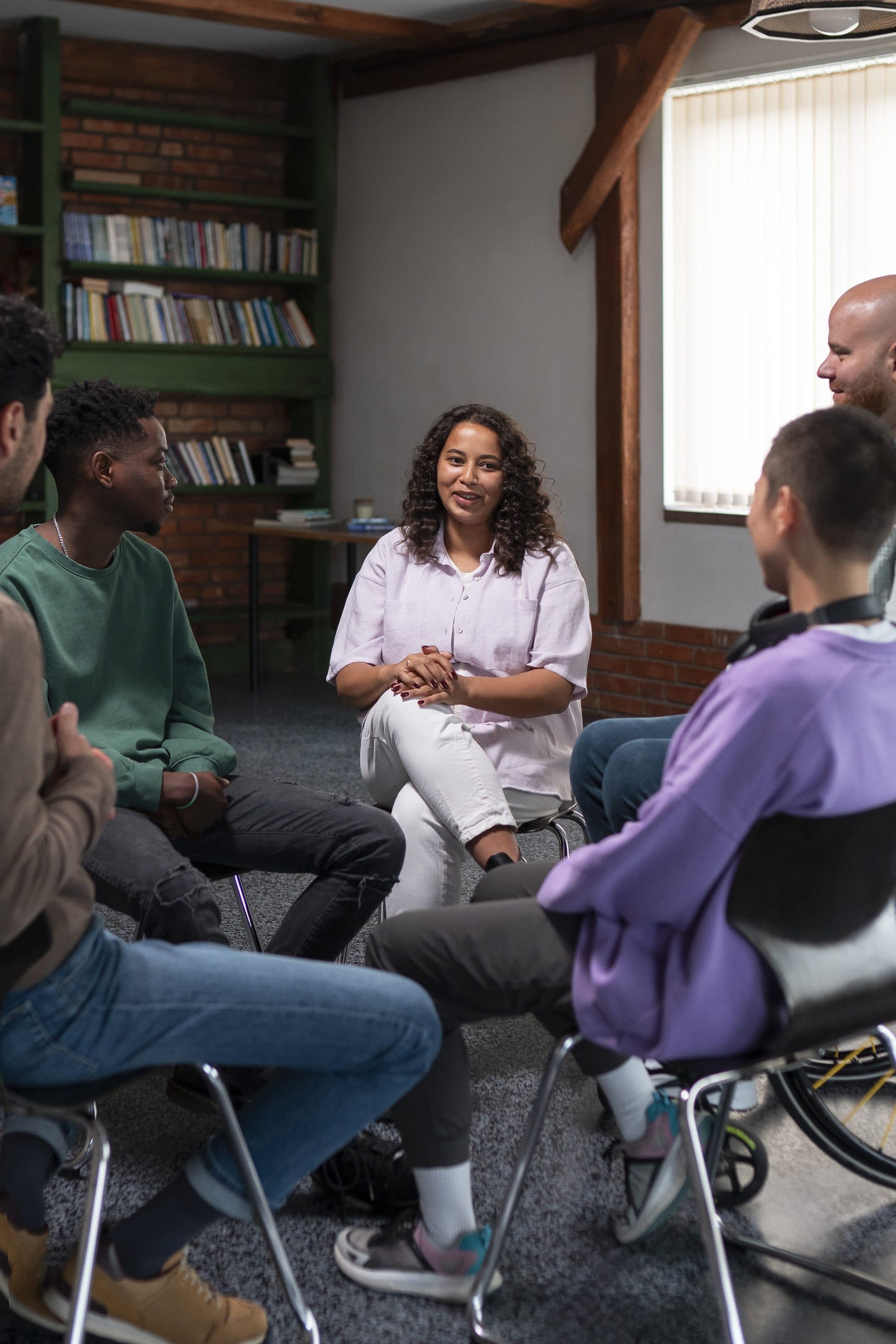
Social workers help people through hard times: children who are not safe, families with problems, and people who are sick or sad.
From R 24 000/mo · In demand
How to become a social worker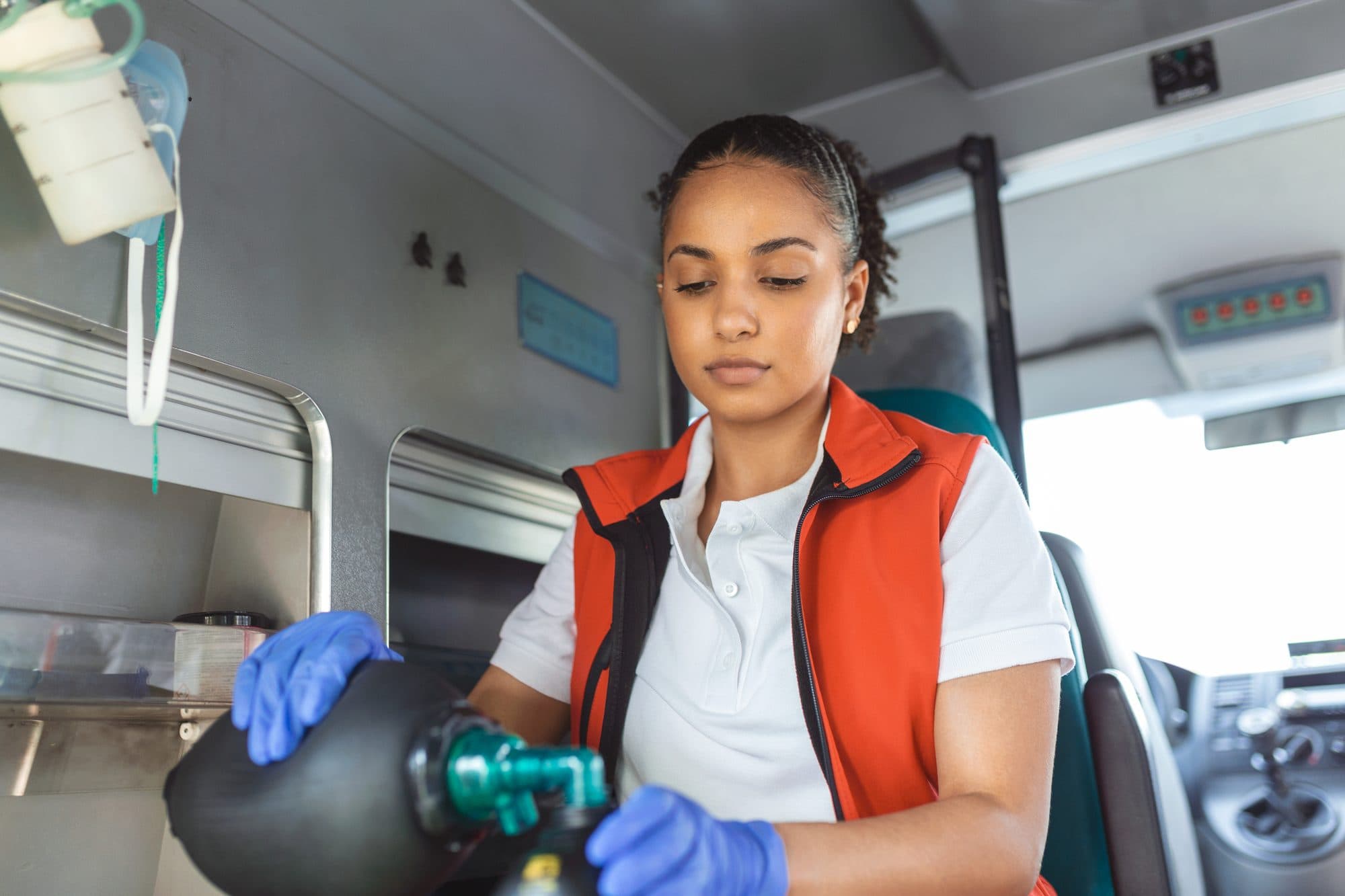 Health & social services
Paramedic
Paramedics give emergency care and save lives at accidents and emergencies. You study Emergency Medical Care and register with the HPCSA.
From R 18 000/mo · In demand
How to become a paramedic
Advertisement