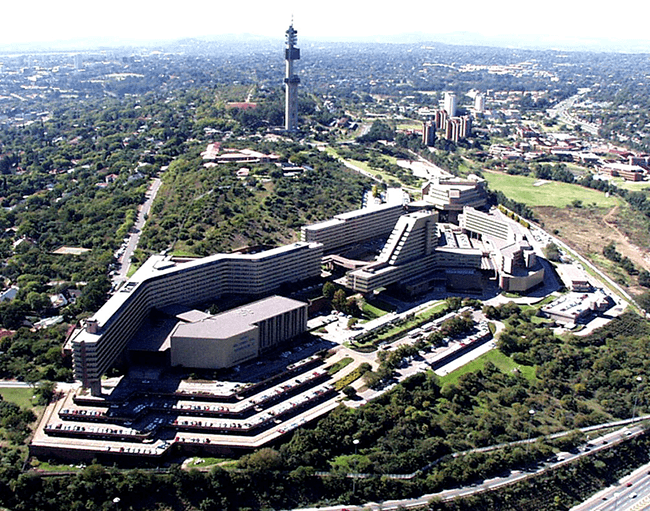

What You Need to Know About Unisa
Unisa is the biggest university in South Africa, built entirely around distance learning, so you don't move to Pretoria or sit in a lecture hall. That makes it one of the most accessible ways to get a degree if you're working or living far from a campus. It also works well if you're juggling responsibilities that make full time varsity tough.
Because it's an open access university, entry requirements sit lower than most contact universities. Some Higher Certificates ask for as little as 14 to 15 APS. Diplomas usually sit around 20 to 22 APS, and bachelor's degrees generally start from 23 APS and up. That doesn't mean it's an easy ride, ODeL takes serious self discipline since nobody is chasing you to attend a lecture.
What APS Do You Need?
Unisa calculates your APS using the NSC 1 to 7 scale across your best six 20 credit subjects. Life Orientation gets excluded, giving you a maximum of 42 points. Higher Certificates generally need 15 to 18 APS, diplomas need 20 to 22 APS, and bachelor's degrees need 23 APS or higher. Specific qualifications can set their own requirements above these minimums, so check before you apply.
You'll also need at least 30% for English as your language of learning, regardless of which qualification you're chasing. Maths or Maths Lit requirements depend entirely on your chosen qualification, so check the general admission requirements page for your specific program before you apply.
Fees and Funding
Check the official Unisa page for exact details on 2027 tuition fees, since they weren't announced yet at the time of writing.
NSFAS does fund Unisa students, but the allowances work differently from residential universities. You'll get a R5,460 once off Learning Materials Allowance if you're registered for five or more modules. You'll also get a R304.50 per month personal care and incidental allowance from February to November. There's no NSFAS accommodation allowance for Unisa students since it's a distance learning university.
Life on Campus
Unisa runs on an Open Distance eLearning (ODeL) model, so most of your studying happens online rather than on a physical campus. Every registered student gets a free myLife email account, and this becomes your only official channel for communication with the university. Check the official Unisa page for exact details on regional offices and accommodation options near you.
Not sure if your marks are enough to get in? Use our free APS calculator to check where you stand before you apply.