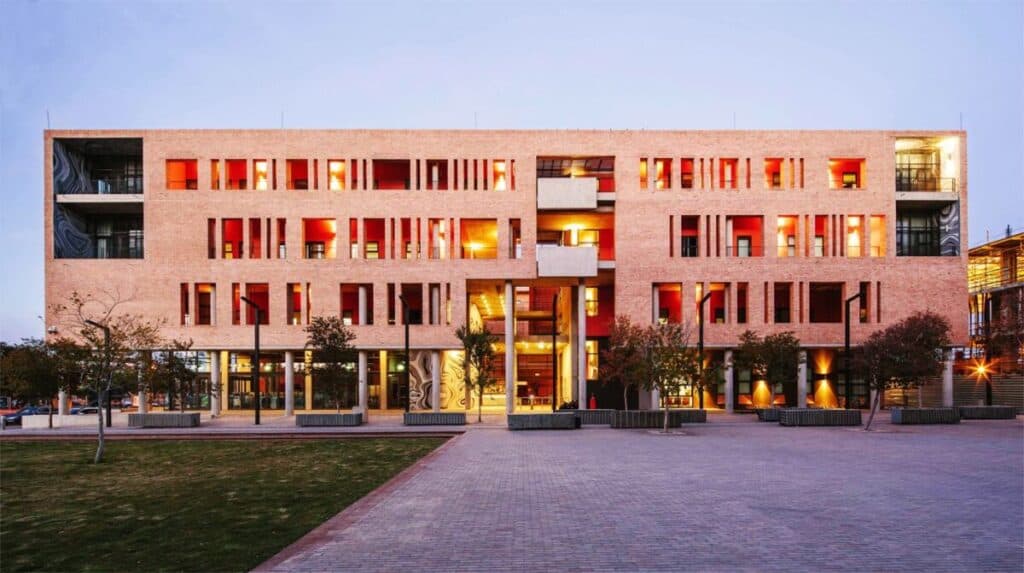

What You Need to Know About Sol Plaatje University
SPU is one of South Africa's youngest universities, opened in 2013 and named after the writer and political activist Solomon Plaatje. It's based in Kimberley, Northern Cape, and was built to grow the skills the region needs. It's a smaller university, which means smaller classes and more one-on-one time with lecturers.
SPU runs four schools: Education, Humanities and Social Sciences, Natural and Applied Sciences, and Economic and Management Sciences. If you want a career in teaching, data science, or public management, this is worth a look. It's a solid option if you're after a focused, growing university rather than a massive campus.
What APS Do You Need?
SPU doesn't use the standard 42-point APS scale that most universities use. Your score gets calculated across all 7 subjects, and your Home Language and Maths carry extra weight, out of a maximum of 56 points. Life Orientation still counts, but only on a capped scale, not as a full subject.
SPU hasn't published exact APS cutoffs per program in what we could find, so check the admission requirements in the 2027 prospectus or on the how-to-apply page. Your best move is to run your marks through our APS calculator first, then confirm against the specific program page for the course you want.
Fees and Funding
Varsity fees are never small, and SPU is no different. Before you register, you need to pay R5,000 upfront, on top of your tuition for the year. Tuition and res fees change every year, so check the official Sol Plaatje University page for exact details.
NSFAS funds undergraduate students at SPU if you qualify, so get your NSFAS application in as early as possible. NSFAS won't cover postgraduate study, so if you're going for an honours or masters degree, you'll need to look at other bursaries.
Life on Campus
SPU has four on-campus residences: Moroka Hall (550 students), Mhudi Hall (62 students), Ra-Thaga Hall (112 students), and Tauana Residence (220 final-year students). Between them, these res options only house about 60% of SPU's students, so apply for res early. Rooms come with WiFi, security around the clock, and shared study and social spaces.
If you don't get campus res, you'll need off-campus accommodation, and it's safer to pick a place SPU actually recommends, especially if NSFAS is funding you. You can contact the residence manager to check which off-campus options are approved. Not sure if your marks are enough to get in? Use our free APS calculator to see where you stand before you apply.